Large breed
Chesapeake Bay Retriever Puppies
The Chesapeake is one fine dog breed. It has a remarkable coat and the ability to Lord over your home if given the chance. They are reputable gundogs who can keep you company both inside and outside your home. They are in the class of the best retrievers as they can hunt tirelessly. Petland is honored to offer first-class Chesapeake Bay Retriever puppies, and our caring team of puppy specialists will help answer any questions you may have.
We do not have Chesapeake Bay Retriever puppies on the floor today. Tell us what you are looking for and we will let you know the moment one arrives, or help you find a breed that suits your home just as well.
- Exercise 60 min a day
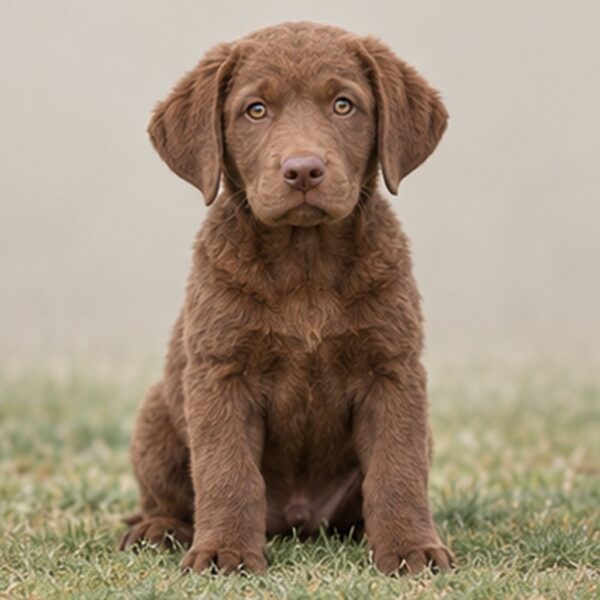
About the Chesapeake Bay Retriever
The Chesapeake Bay Retriever is a breed steeped in history, originally bred for waterfowl hunting in the rugged environments of the Chesapeake Bay. Their unique combination of strength, intelligence, and affection makes them a wonderful fit for active families who relish outdoor adventures. These dogs are known for their loyal and affectionate nature, often forming close bonds with their families and enjoying the company of young children. They can be a bit reserved with strangers but are generally well-mannered and can get along with other dogs, though their energy may be overwhelming for some pets.
Read more about the Chesapeake Bay Retriever Show less
With a medium size and a powerful build, Chessies need regular exercise to stay happy and healthy. They thrive in environments where they can run, swim, and play, making regular outdoor outings essential. While they are not the most suitable choice for apartment living due to their moderate energy and size, those with yards or easy access to open spaces will find a joyfully exuberant companion in them. Grooming is fairly manageable, as they require weekly brushing to keep their water-resistant coat in good condition, although you can expect some shedding throughout the year.
Trainability is another strong point for the Chesapeake Bay Retriever, as they possess a keen intelligence and a desire to please. This breed responds well to consistent, positive reinforcement, making them great learners. Their complexity can sometimes counterbalance their affectionate nature, but experienced owners who understand their temperament will find great success with training. If you’re looking for a devoted, active partner who can keep up with your lifestyle and enjoy quality time with the family, the Chesapeake Bay Retriever could be the perfect match for you at Petland Scottsdale, Arizona.
Chesapeake Bay Retriever breed profile
Every score below is set by our team for this breed. Higher is simply more of that trait, not better or worse.
Temperament
-
Affection Very affectionate
-
Playfulness Playful
-
With strangers Warms up
-
Territorial Territorial
-
Prey drive High
Family & other pets
-
Young children Good
-
Older children Good
-
Other dogs Usually fine
-
Cats Needs care
Energy & exercise
-
Energy High
-
Mental stimulation High
Training
-
Trainability Quick to learn
-
Intelligence Very bright
-
Stubbornness A stubborn streak
Care & upkeep
-
Shedding Heavy
-
Drooling Some
-
Barking Moderate
Home life
-
Apartment living Prefers a house
-
Time alone A few hours
-
Cold weather Thrives in it
-
Warm weather Average
A good match for
-
First-time owners Manageable
-
Senior owners Suitable
-
Running partner Good
-
Hiking Good
-
Therapy work Possible
-
Guarding Protective
Living with a Chesapeake Bay Retriever
History of Breed
The Chesapeake Bay Retriever was developed along the Chesapeake Bay and named the state dog of Maryland. This breed is an American sporting breed and a top water retriever. In 1807, an English brig shipwrecked off the coast of Maryland, and two Newfoundlands were rescued from the cargo. When bred to local retrievers, including the English Otter Hound, Flat-Coat, and Curly-Coated Retriever, the "Chessie" type developed.
Personality and Temperament
The Chesapeake Bay Retriever is a very outgoing and curious dog. They enjoy spending time, especially outdoors, around their family and seek your attention. They are very warm and approachable dogs with an easy-going and loving demeanor. This breed is known to do well with other pets in the household.
Appearance and Grooming
Chesapeake Bay Retrievers are low-maintenance dogs that do not need a lot of grooming. Brushing this pup a few days a week and bathing him every four to six weeks will help make him look and feel his best. Brushing helps to distribute the natural oil in their coat, keep your "Chessie" cleaner, and keep shedding very manageable. It is also important to make sure you clip his nails on a routine basis.
Care and Feeding
Chesapeake Bay Retrievers are moderately active dogs and do need sufficient amounts of energy to feel their best. The correct ratio of meat-based protein and micronutrients, as well as healthy carbs and fats, will keep this breed healthy. Many Chesapeake Bay Retrievers owners recommend feeding this dog two meals a day, spaced about twelve hours apart. It is also very important to remember to provide your dog with proper dental care. It is suggested that his teeth get cleaned a minimum of three times a week. Failing to keep his teeth clean can contribute to health issues.
Breed Size and Life Expectancy
This breed stands between twenty-one to twenty-six inches tall.
This breed weighs between fifty-five to eighty pounds.
The average life expectancy for this breed is between ten to thirteen years.
Breed Facts
Fact: This breed has webbed feet, which is one of the reasons he does well in the water.
Fact: This breed is the official state dog of Maryland.
Fact: This breed loves to play outside and does well with families who enjoy outdoor activity time.
Caring for a Chesapeake Bay Retriever
- Grooming
- Weekly brushing
- Grooming cost
- Average
- Monthly food
- Average
- Outdoor space
- A yard is recommended
- Allergy friendly
- Not considered hypoallergenic
Chesapeake Bay Retriever Video
Frequently Asked Questions
What health challenges does a Chesapeake have?
The Chesapeake is more prone to the following, progressive retinal atrophy, cataracts, melanoma, hip dysplasia, epilepsy, entropion, ear infections, bloat.
Are Chesapeakes easy to train?
Not really. They have a mind of their own which is why people feel they are stubborn. But once they understand the command, they are likely to obey.
Are Chesapeakes good watchdogs?
Yes, they are. They are very quick to let you know when they see something or hear something they do not understand or even strangers.
Do Chesapeake Retrievers like water?
It would be like keeping a fish out of the water and this is almost impossible. They love to get their feet wet and it would be relatively difficult to keep them out. They, however, cannot get out of the water on their own, so you should be on the lookout.
Do Chesapeakes bark excessively?
No. They only bark when they feel it’s necessary or to alert their owner.
Do Chesapeakes do well when left alone?
No. They will begin to have separation anxiety and this is not healthy. They are more suited to people who work from home.
Do Chesapeakes adapt easily?
They can only adapt to people who spend the most time outdoors. They cannot live in apartments.
Are Chesapeakes playful?
Yes, they are. They do a lot of canine sports and will want to entertain.
Do Chesapeakes have prey drive?
Yes. They have a high prey drive and this should be watched so they don’t chase the cat around.
Are they suitable for first-time owners?
No. They need to be around people who understand their needs and the fact that they are high energy dogs.
The Chesapeake Bay Retriever is a dog breed that is suitable for those who live in the country and love to spend a lot of time outdoors.